Sourcing Reclaimed Wood: A Practical Guide for Sustainable Furniture Projects
A National Geographic–style exploration of provenance, moisture, and material integrity, guiding designers, makers, and homeowners toward trustworthy reclaimed wood sources and durable design choices.
In the quiet aisles of timber yards and the sunlit floors of Vermont workshops, wood carries a history that outlives the trends it once moved with. Reclaimed wood furniture is not merely an aesthetic preference; it is a disciplined choice that weds sustainability to durability. The domain reclaimedwoodfurniture.net signals a space where craft, ecology, and design converge—an invitation to understand where timber comes from, how it behaves when reintroduced to life, and why provenance matters in every joint, finish, and surface.
1) The Story Behind the Timber: Provenance and History
Provenance is more than a label; it is a timeline etched into wood. Reclaimed timber often carries marks of its former use: the grain that once framed a doorway, the patina of the years, and the subtle evidence of environmental exposure. Understanding provenance helps designers assess how a piece will perform in new contexts and how to honor its past through appropriate treatment.
A thoughtful sourcing strategy begins with tracing the wood’s origin. When possible, identify the species, region, and subspecies, along with known age ranges. Maple from a historic mill, oak salvaged from a demolished barn, or chestnut rescued from a dismantled estate—each offers different structural traits and finishing challenges. The goal is to connect material history with design intent, ensuring the reclaimed wood aligns with both the project’s aesthetic and its performance requirements.
In practice, provenance guides decisions about how aggressively to mill, how to plane the surface, and what types of finishes are appropriate. It also informs the ethical dimension of sourcing: selecting suppliers who practice responsible salvaging, engage in transparent documentation, and prioritize long-term stewardship of the resource. In regions like Vermont, where small-batch workshops and regional sawmills emphasize local supply chains, provenance can be a tangible asset—an assurance of both character and accountability.
2) Moisture, Stability, and Structural Integrity
Wood’s behavior changes with moisture. Reclaimed timbers arise from environments that may have fluctuated—seasonal rains, baking sun, or long periods of humidity. Before transformation into furniture, reclaimed wood must be assessed for moisture content, equilibrium moisture content in the intended climate, and potential hidden hazards such as hardware residues or legacy finishes.
Moisture testing is a practical ritual. Simple pin or pinless moisture meters can provide a snapshot of MC (moisture content) values. The target range varies by species and use, but a common guideline is to aim for an average MC around 6–12% for interior furniture in temperate climates. Timber with higher MC may shrink, warp, or craze as it acclimates to your workshop and home environment. Conversely, timber that is too dry can be brittle and prone to cracking under load. The designer’s objective is to reach a stable middle ground through controlled acclimation, careful joint design, and appropriate finishing strategies.
Structural integrity hinges on the hand you take with joinery. Reclaimed wood often carries earlier wear—pegs, knots, nail marks, or mortise remnants. These features, when properly understood and integrated, become design cues rather than flaws. Properly engineered joints, such as time-honored through-dovetails, haunched mortise-and-tenon, or robust dowel assemblies, can accommodate movement while preserving the piece’s strength. The goal is to honor the wood’s history while ensuring modern-day performance under load, traffic, and daily use.
3) Practical Sourcing Strategies: Finding Trusted Suppliers
In the world of reclaimed timber, trust is built through transparency, traceability, and a demonstrated commitment to quality. Begin with a clearly defined list of project requirements: species, expected dimensions, allowable moisture range, anticipated finishing protocols, and the project’s timeline. With those criteria in hand, you can compare suppliers on multiple dimensions—availability, consistency, and the provenance narrative each timber carry.
Identify reputable regional players who provide documentation or certificates of origin, and who can offer mill test data or specimen boards for review. For readers in regions where Maple Corner Woodworks or Vermont-based workshops operate, the proximity of suppliers can shorten lead times and improve the consistency of reclaimed stock across projects. The goal is to build a relationship that extends beyond a single purchase—one that provides ongoing access to material batches with predictable characteristics and reliable future supply.
As you expand your network, cultivate relationships with salvage yards and mill owners who understand the technicalities of reclaiming wood. Ask about their processing practices: how they stabilize stock, what finishes they favor, and how they handle remediation of old hardware or contaminants. A well-informed supplier will walk you through the wood’s journey from salvage to stock, explaining how humidity control, seasonal storage, and surface preparation affect final outcomes.
Key considerations when evaluating suppliers include:
- Material documentation: species, origin, age, and previous uses
- Moisture content data for representative samples
- Availability and lead times for specific stock
- Finish options and compatibility with chosen finishes
- Repair and remediation practices for hardware residues
- Environmental certifications and responsible harvesting policies
4) Finishes, Care, and Longevity
A reclaimed timber’s finish is more than surface beauty; it is a dialogue between the wood’s history and the room’s future. Finishes that penetrate rather than coat can reveal the timber’s character while protecting it from daily wear. Oil finishes, waxes, and hard-wax oils—commonly used with Vermont-made pieces—traise a soft, tactile hand that respects the timber’s age and grain.
Care routines should be tailored to the wood’s species and finish. Regular dusting, occasional conditioning with appropriate oils, and prompt attention to any spill or stain help preserve the surface’s integrity. For heavily used surfaces, consider preventative measures such as protective paddings, coasters, or felt pads that guard against dents and surface abrasions. A practical maintenance plan is essential to sustaining the timber’s history while ensuring it remains fit for contemporary use.
The choice of finish also influences repairability. Oils and waxes can be invigorated with light reapplication; more persistent finishes may require spot refinishing to maintain a cohesive appearance. The most durable reclaimed pieces balance aesthetics, tactile experience, and service life, reflecting the craft’s timeless ethos.
5) Design Implications: From Material to Room
Provenance and material behavior inform design decisions at every scale—from a coffee table’s topography to a dining bench’s seating comfort. Reclaimed wood’s irregularities—knots, color variation, and grain patterns—become visual anchors that dictate color palettes, lighting choices, and furniture ensembles. The National Geographic sensibility invites us to observe how a single plank’s narrative can ripple through a room, shaping mood and meaning.
In interior contexts, reclaimed timber often harmonizes with natural textures—linen, wool, wool-blend textiles, and stone—creating a tactile, layered environment. For spaces that emphasize sustainability, the design logic celebrates longevity: durable joinery, repairable surfaces, and modular approaches that allow for reconfiguration as needs evolve. A well-planned reclaimed-wood project transcends a single piece; it crafts a cohesive story that links sourcing, craft, and daily life.
Case studies—such as Maple Corner Woodworks’ hand-joined beds or Vermont Furniture Designs’ Shaker-inspired desks—underscore how regional craftsmanship can translate reclaimed timber into enduring, useful artifacts. While each studio has its own voice, the throughline remains: materials chosen with care, assembled with skill, and finished to honor their past while serving present and future uses.
6) Practical Planning: A 4-Step Path to Successful Sourcing
- Define project goals and asset requirements: specify species preferences, anticipated dimensions, and the acceptable range of MC for the intended environment.
- Evaluate provenance and supplier trust: request origin stories, test data, and references. Prefer suppliers who provide transparent documentation and engage in responsible salvage practices.
- Assess remediation and preparation needs: identify potential hardware residues, coatings to remove, and surface preparation steps needed before finishing.
- Plan finishes and maintenance: select finishes that enhance grain while providing long-term durability; outline a maintenance schedule tailored to climate and usage.
7) Related Product Considerations: Integrating Sourced Wood into Furniture Pieces
Beyond raw stock, reclaimed timber integrates into a broader ecosystem of handcrafted furniture. This article’s guiding ethos aligns with a non-commercial stance; however, it is useful to acknowledge how specific pieces can embody the sourcing narrative. For example, imagine a dining table extension leaf fashioned from reclaimed maple harvested in regional workshops, its grains telling a history of forests and labor in equal measure. The same logic applies to console tables, desks, and storage pieces that inherit their warmth and strength from their timber’s past life.
In the Vermont context, pieces like a Contemporary Craftsman Writing Desk or a Heartwood Shaker Library Desk illustrate how reclaimed stock can translate into products that balance utility with the quiet elegance of worked timber. While this article does not promote commercial offerings, recognizing how design functions with material history reinforces the reader’s ability to make informed choices. For readers seeking tangible examples of reclaimed-wood integration in furniture, local showrooms and vetted maker studios often provide assembled exemplars that reflect both craft and provenance.
8) Final Thoughts: A Mindful Path to Sustainable Craft
Sourcing reclaimed wood is an invitation to participate in a longer arc of material life. Each plank carries a memory of past use, climate, and craft, and when thoughtfully salvaged, dried, and joined, it becomes a durable foundation for new work. The discipline lies not only in selecting stock with desirable physical properties but in recognizing how provenance, moisture management, and finish choices converge to produce furniture that endures.
As you pursue reclaimed timber for projects, cultivate curiosity: about where the wood came from, how its moisture content was stabilized, and how future repairs might sustain its character. In this way, the craft of reclaimed wood becomes a living conversation between the past and the present—a practice that aligns with sustainable design, careful handwork, and a respect for the material’s inherent history.
In the end, reclaimed wood furniture is more than a product. It is a narrativeetched in grain, an artifact shaped by hands and time, and a usable reminder that thoughtful sourcing can harmonize ecological responsibility with enduring beauty.
9) Notes on Sourcing Publicly Documented Practices
This guide references widely observed industry practices and regional examples that emphasize provenance, moisture management, and sustainable supply chains. Real-world brands and studios in areas known for reclaimed timber, such as Maple Corner Woodworks and Vermont-based workshops, illustrate how designers can connect with communities of practice to access responsibly salvaged stock. The emphasis remains on transparent documentation, evidence of origin, and ongoing accountability to environmental stewardship.
10) Featured Products: Where Craft Meets Use
This article acknowledges select items from the platform that align with the reclaimed timber narrative and interior design ethos. One example is the Contemporary Craftsman Mirror, handcrafted in Vermont from premium natural solid hardwoods and finished with an oil finish. Its presence on the wall offers a quiet counterpoint to the warmth of reclaimed surfaces, reflecting light and amplifying the room’s texture without overpowering it. Link: Contemporary Craftsman Mirror.
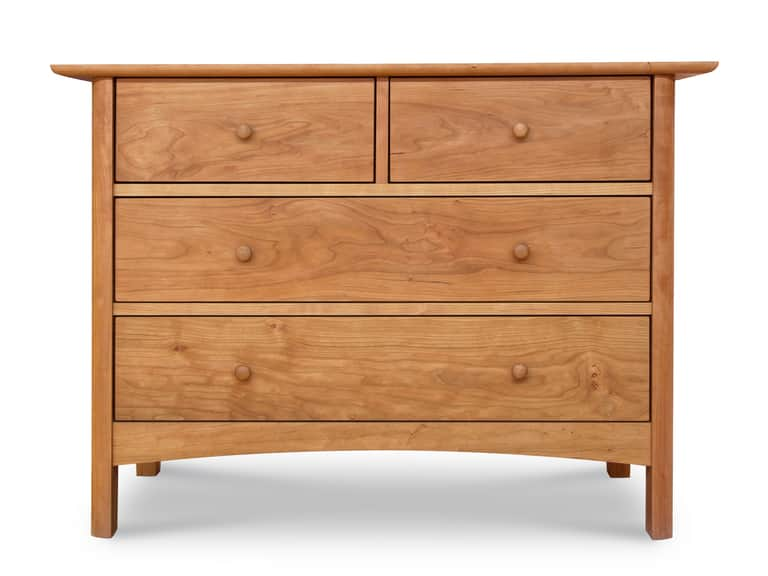
Another example is the Heartwood Shaker 4-Drawer Dresser, a robust, order-to-delivery piece finished with an eco-friendly oil. This dresser embodies the Shaker principle of honest construction and proportion, making it a durable anchor within a bedroom suite that could feature reclaimed timber accents. Link: Heartwood Shaker 4-Drawer Dresser.
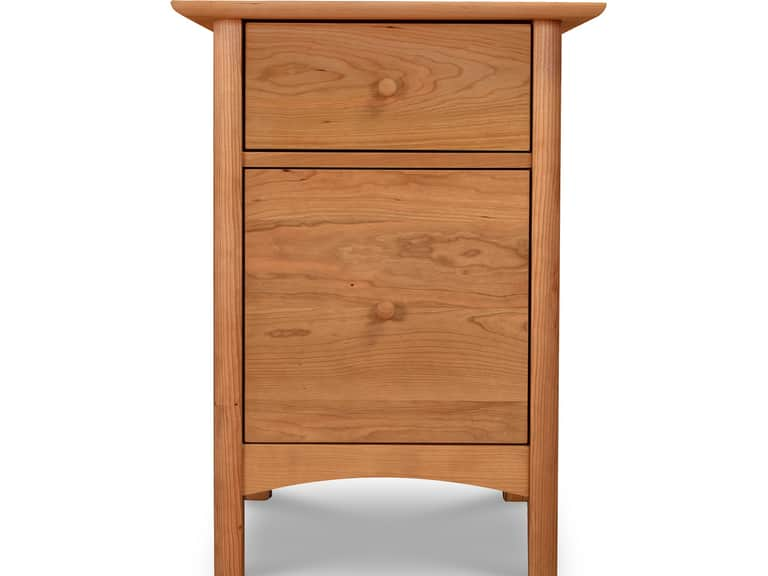
In addition, the Vertical File Cabinet and other storage solutions with carefully chosen hardwoods illustrate how reclaimed timber can extend into home offices and study spaces, reinforcing the idea that sustainable materials can underpin both living and work environments. Link: Heartwood Shaker Vertical File Cabinet.
These references demonstrate how well-made, regionally sourced pieces can complement projects that emphasize provenance, stability, and craftsmanship. They are not endorsements of any particular supplier outside the broader design principle: source responsibly, plan for longevity, and celebrate material history.
Published on September 30, 2026. This article is intended to inform and guide sustainable design practice with reclaimed wood, focusing on provenance, moisture management, and long-term durability. The discussion references regional sourcing concepts and exemplars, without promoting any particular commercial entity beyond acknowledging publicly documented products that align with the reclaimed wood narrative.